Behind Every Successful Festival: How Technical, Stage & Event Crews Work Together
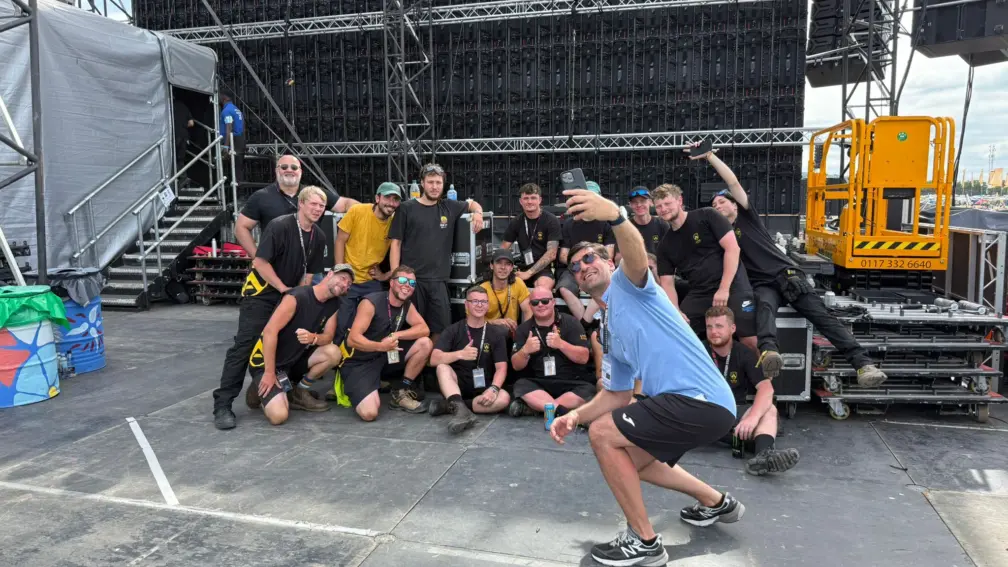
A successful music festival relies on many different teams working together behind the scenes. From technical and stage crew to general event crew, every role plays an important part in keeping the event running safely and smoothly. In this blog, we’ll look at the different types of crew involved in a music festival, how they work together and why clear communication between teams is so important.
Festivals
There are many different types of festivals, from music and film to fashion, art, sport and gaming. Alpha Crew has experience working across a wide range of festival environments, including Cannes Lions, Goodwood Festival of Speed and Pokémon GO Fest. For this blog, we’re focusing specifically on music festivals, which can involve huge sites, multiple stages, thousands of attendees and a large number of teams working simultaneously.
Music festivals are typically held over several days, with multiple artists performing across different stages throughout. Alongside the stages, there may be food and drink areas, toilet facilities, medical areas, water refill stations, camping sites and other event infrastructure.
Before the first artist takes to the stage, all of these areas need to be built, prepared and checked. Once the festival is live, teams continue working behind the scenes to keep everything running smoothly. This is where different types of event crew come together.
What are the Crew Types?
Technical Crew
Technical crew are responsible for many of the elements that create the audio and visual experience for the audience. Depending on the requirements of the festival, this can include sound, lighting, video, visual effects and other AV requirements. Technical crew may be responsible for installing and operating speakers, microphones, lighting systems, screens and other specialist equipment. Their work requires specialist knowledge and experience. Equipment needs to be installed correctly, tested thoroughly and operated safely, while any technical issues need to be identified and resolved as quickly as possible. At a music festival, this can be particularly challenging. Multiple artists may be performing across different stages throughout the day, each with their own technical requirements. Technical crew need to understand what is required, when it is required and how to make it happen.
Stage Crew
Stage crew are responsible for the practical running of the stage and the activity taking place around it. Their work can include stage set up and dismantling, backstage logistics, moving equipment and props, supporting production teams and helping with the smooth running of performances. During a live show, stage crew may provide cue-to-cue support, assist with quick changes and make sure equipment or props are where they need to be at the right time. They work closely with technical teams and production staff, helping to connect the practical and technical sides of an event. Stage crew may also remain on site throughout the live event to support the stage operation, deal with issues as they arise and assist with changes between performances.
General Event Crew
General event crew provide practical support across the build, live event and breakdown.
Their work can include loading and unloading vehicles, moving equipment and materials, assisting with event builds and breakdowns, supporting backstage operations and helping with the installation of event infrastructure. Depending on the requirements of the festival, they may also support stand and activation areas, rigging installation, plant and machinery operations and other site tasks. Their role is often varied, so adaptability is essential. A festival site can change considerably from one stage of the event to another, and general event crew need to be ready to respond to what is required.
How Do They Work Together at a Festival?
Although technical, stage and general event crew have different responsibilities, their work is rarely completely separate. Take the initial build as an example. General event crew may help unload equipment and materials from vehicles and move them to the correct areas of the site. Stage crew can then work on preparing the stage and backstage areas, while technical crew install and test sound, lighting and visual equipment. Each team relies on the others to complete their part of the process. Once the festival is live, that collaboration becomes even more important.
Stage crew may need to communicate with technical crew about upcoming performances, changes to equipment or cues during a show. General event crew may be called upon to move additional equipment or assist with an issue elsewhere on site.
Technical crew, meanwhile, need to communicate technical requirements and any problems quickly so that the relevant team can respond. It is not simply about having enough people on site. It is about having people who understand their responsibilities and how their role fits into the wider operation.
The Importance of Communication
One of the most important parts of successful event crewing is communication. Festival sites can be busy, noisy and constantly changing. Teams need to know what is happening, where they need to be and what is expected of them. Good communication starts before the event itself. Team leaders and crew need to understand the schedule, site layout, responsibilities and requirements before work begins. During the event, communication can take place through radios, team briefings, face to face conversations and regular check ins between team leaders. This is particularly important when several teams are working in the same area. Everyone needs to understand who is responsible for what, rather than assuming another person or team is dealing with it.
For example, if equipment needs to be moved backstage, the relevant teams need to know what needs moving, where it needs to go and when it needs to be there. A simple lack of communication can quickly turn into a delay. Regular communication also means teams can respond more effectively when plans change. At a live event, last minute requests and unexpected issues are not unusual, so crews need to be able to adapt without losing sight of the wider operation.
Why is Collaboration So Important?
Good collaboration is not just about making an event run more efficiently. It can also have a direct impact on health and safety. On a busy festival site, crew may be working around vehicles, heavy equipment, temporary structures, technical equipment and large numbers of other workers. Everyone needs to understand their surroundings and communicate effectively with those around them. Poor communication can also affect the audience experience. A missed cue, incorrectly positioned equipment, delayed stage change or technical issue can all have an impact on a live performance. When multiple stages are operating at once, small delays can quickly have a knock on effect.
Experienced crews also need to be prepared for the unexpected. Outdoor events in particular can present challenges that cannot always be predicted, from changing weather conditions to last minute production requirements. Having teams that know how to communicate and adapt can make a significant difference when something does not go according to plan.
Festival Experience
There is a big difference between knowing what a job involves and having experience of doing it in a live festival environment. Large music festivals can involve huge sites, long working days, multiple stages and thousands of moving parts. Crew need to be able to work efficiently while adapting to the specific requirements of the event.
Alpha Crew has supported some of the UK's biggest music festivals, including Glastonbury, Reading & Leeds, Boardmasters and Download. At Glastonbury, for example, the scale of the site alone creates a significant logistical challenge. The festival takes place across around 1,500 acres and welcomes hundreds of thousands of people, meaning large teams and careful coordination are essential. Boardmasters presents a different environment, taking place across the Cornish coast. In 2023, our 24 person crew worked day and night shifts over six days, clocking up 770 hours in total to help ensure the operation was covered around the clock.
Working across major festivals such as these gives our crews experience of the realities of large scale outdoor events. From long working days and changing conditions to busy stages and last minute requirements, crews need to be prepared to adapt and keep the operation moving.
How Alpha Crew can help
At Alpha Crew, we provide experienced technical, stage and general event crew for festivals and events across the UK and internationally. Our technical crew have the specialist skills and experience required to support a wide range of technical requirements, from lighting and video builds to sound engineering. Our stage crew bring extensive experience of working in live event environments, while our general event crew provide practical support throughout the build, live event and breakdown.
We can support festivals with everything from load ins and load outs to stage builds and breakdowns, backstage assistance and activation zone set up. We can also provide specialist services including plant and machinery operations, pyrotechnics and event security, depending on the requirements of the event.
One of the advantages of working with a single experienced crew provider is the communication between teams. Our crews are used to working alongside one another and understand how their roles connect. They know the importance of clear communication, working safely and supporting the wider team to get the job done.
Whether you need technical crew, stage crew, general event crew or a combination of all three, having an experienced team on site can make a significant difference to the way an event operates. From the first delivery to the final breakdown, every member of the crew has a part to play in making a successful festival happen.
Get in touch with the Alpha Crew team to discuss your next event and find out how our experienced event crew can support you.