Stage Crew vs General Event Crew: What's the Difference?
You have an event coming up, and you know you need to hire a reliable crew - but which kind? Stage Crew and General Event Crew overlap in many ways, but each has different core responsibilities. Getting it wrong can mean delays, safety issues, or paying for skills you didn't need. In this post, we break down the differences to help you make the right decision when booking your next job.
What are General Event Crew?
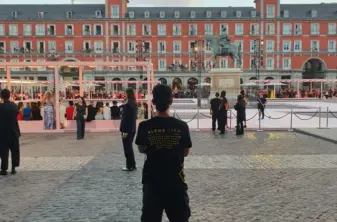
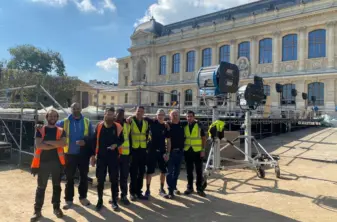
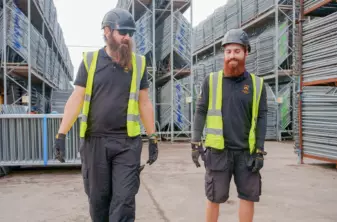
General event crew handle the physical work that brings an event to life - from initial setup through to final breakdown. Their day to day covers venue setup and breakdown, assembling furniture and basic infrastructure, supporting crowd management, and handling the load-in and load-out of general equipment. It's a role that demands physical fitness and strength alongside strong logistics and health and safety awareness, plus the client-facing polish to represent the brand on site. You'll typically find them at exhibitions, conferences, festivals (in non-stage areas), corporate events, community events, and more.
What are Stage Crew?
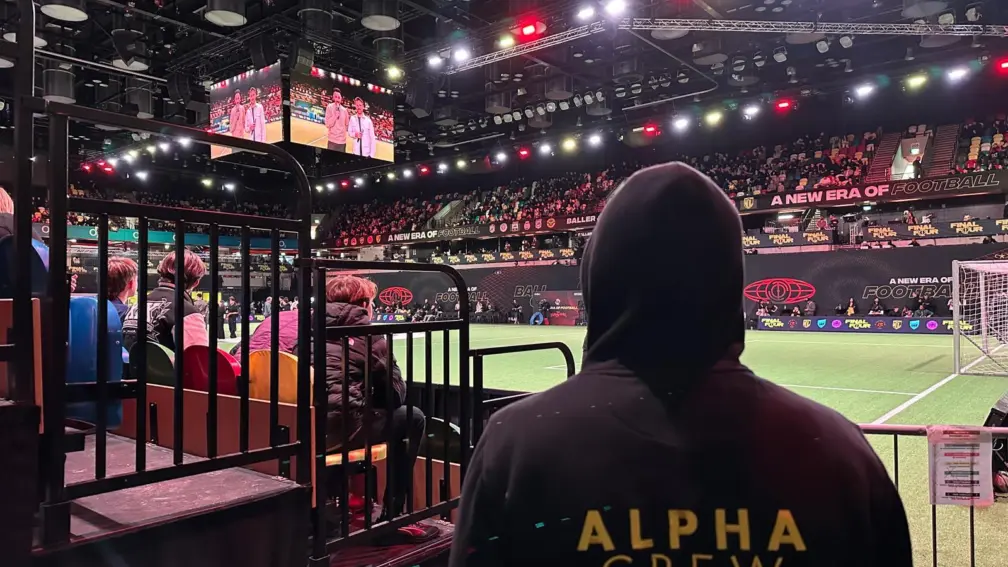
Stage crew are specialists working directly on and around the stage and production elements. Their day to day covers staging build and de-rig, AV and lighting support, backline handling, quick changes between acts, and working to a show call or cue sheet. It's a role that demands technical knowledge across audio, lighting and rigging basics, experience working live to a schedule, and close collaboration with stage managers and directors.
Key Differences
Event crew and stage crew differ in scope, skill focus, reporting lines and pace.
Scope: Event crew are typically spread across the whole event, while stage crew are area specific, working on or backstage.
Skill focus: Most crew have skills that stretch across both areas, but each role has its own essential specifics. Stage crew prioritise technical skills like lighting and sound, while general event crew often have greater physical demands, such as load-ins and load-outs.
Reporting lines: Because they work in different areas, crew typically report to different people. An event manager usually oversees the wider event, while stage crew answer to a stage or production manager.
Pace and pressure: General event flow leading up to the event tends to be less time pressured and more spread out. On stage, timing is often show critical, with cues that must be followed precisely.
Why the Distinction Matters When Booking
Booking the wrong type of crew can leave technical gaps, or see you paying for a team that's over-qualified for the job. Stage crew often need detailed briefings on technical riders and show specifics well in advance, whereas event crew may pick up information and duties on the day itself. Most large scale events like festivals or concerts, need both stage crew and general event crew working together to make the day a success, which makes communication and teamwork especially important. Insurance and liability are worth factoring in too, as different types of work carry different safety requirements.
How Alpha Crew Can Help
Choosing between stage crew, general event crew, or a mix of both can feel like guesswork if you're not sure what each role actually covers. That's where we come in. At Alpha Crew, we supply both general event crew and stage crew, so whether your event needs hands on logistical support, specialist stage and production skills, or a combined team working side by side, we can put together the right people for the job. Every member of our crew is experienced, skilled and fully qualified in their area; from load-ins and venue setup to AV, lighting and live show cues. That means no technical gaps, no overspend on the wrong skill set, and no last minute scrambling to fill a role you didn't know you needed.
Not sure exactly what your event requires? Tell us a bit about what you've got planned, and we'll help you work out the right crew mix - whether that's stage crew, event crew, or both working together. Get in touch here to start the conversation.