How Security Needs Differ Between Events
No two events are the same - so security solutions shouldn’t be either. Taking a ‘one size fits all’ approach can leave gaps, overlook key risks, or simply fail to suit the specific demands of an event. In this blog, we’ll explore why security needs vary and how the right approach changes from one event to another.
Not All Events are Built the Same
Different event formats bring different risks and priorities. For example, a football match takes place in a large stadium, with high emotion and a high volume of attendees. In contrast, a film premiere may have a smaller number of guests, but a higher concentration of VIPs, often within more compact and controlled venues. Getting the right security for your event is about the fit rather than simply having a presence. A tailored approach ensures the specific risks, environment, and audience are properly accounted for.
Different Event Types
The type of event influences the risks involved and how security should be deployed. Here’s a look at some common event formats and their specific considerations:
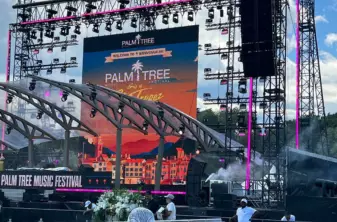
Festivals and large outdoor events:
High footfall and multiple access points
Focus on crowd control, perimeter security, and welfare
Corporate events & exhibitions:
More controlled environments
Focus on access control, guest lists, and asset protection
Film & TV productions:
Sensitive locations and high value equipment
Focus on discreet security and location lockdowns
Private events / VIP functions:
Smaller scale but higher expectations
Focus on close protection, guest privacy, and low profile presence
What Impacts Security Requirements
Several key factors influence the type and level of security an event requires:
Crowd size and demographics
The more attendees, the greater the need for physical security. But it’s not just numbers - who is attending matters too. VIPs, high value displays, or sensitive products may require round the clock protection, while a small event with no alcohol might only need a few team members on site.
Venue type
Outdoor vs indoor, public spaces vs remote locations, large modern venues vs small historic buildings - every venue comes with unique challenges and requires a tailored approach.
Duration
Is it a one off event, a weekend long festival, or a month long display? Longer events often require rotating teams, additional welfare considerations, and ongoing monitoring.
Location
Where the event is held and what surrounds it - busy city centre, quiet rural area, or complex urban environment - can affect access control, emergency planning, and response times.
Type of activity
Is the event high stakes, like a sports match? Does it involve alcohol? Are attendees moving through exhibits or actively participating in activities? The type of activity affects both risk levels and the style of security needed.
Different Security Approaches
Security teams are deployed in different ways depending on the event and its specific needs.
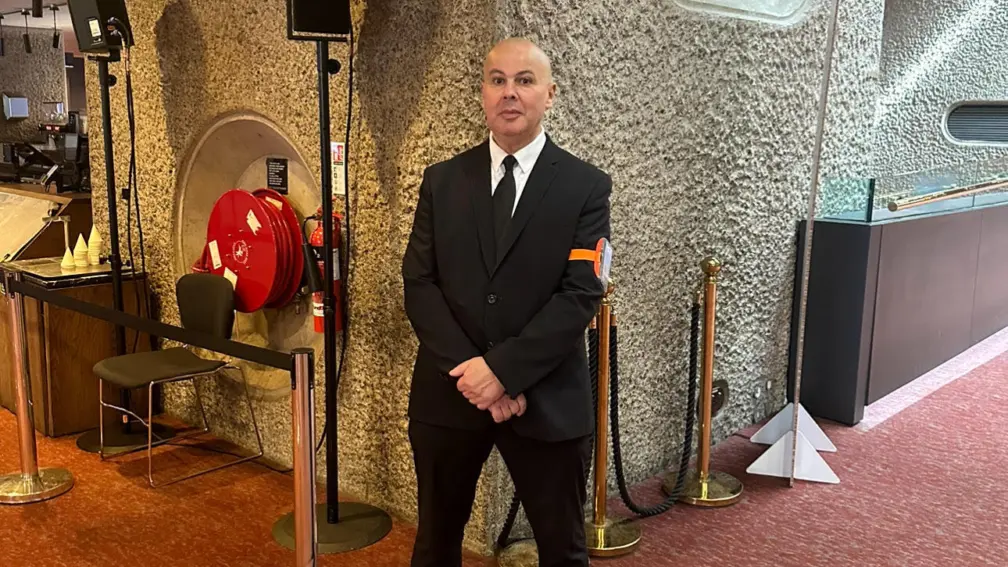
High visibility vs low profile security
Some events benefit from a strong visible presence to deter risks. Others need discreet, behind the scenes coverage, particularly where VIPs or high value equipment are involved.
Static guarding vs mobile patrols
Stationary guards manage entrances, exits, or specific sensitive areas. Mobile teams can cover larger sites, respond quickly to incidents, and monitor multiple areas at once.
Front of house vs behind the scenes
Front of house teams handle attendee access, crowd movement, and public interactions. Behind the scenes teams focus on staff areas, equipment, and operational security.
Integrated teams
Security teams work closely with event staff and production teams to provide seamless coverage and adapt as the event unfolds.
The Importance of Risk Assesments
Every event should start with a proper risk assessment. This ensures that vulnerabilities are identified before they can become problems. It also allows for planning for emergency situations or when things go awry. A proper risk assessment will make sure everyone involved in the event is compliant with necessary rules and regulations, and allow for smoother operations on the day.
The Value of an Experienced Security Team
The importance of working with an experienced, flexible security team for your event cannot be understated. They need to be able to adapt quickly as events evolve, understand different event environments, have strong communication with organisers and crew and confidence in handling unexpected situations. At Alpha Crew, our security team has over a decade of hands-on experience delivering tailored solutions across a wide range of events, ensuring every event, no matter the size or type, runs safely and smoothly.
Need a security setup that fits your event? Get in touch with our licensed security team today.