Ensuring Safety at Football Games
Football, (or ‘Soccer’ if you’re in the States), is the most popular sport in the world with over 3.5 billion fans globally. As a result, the scale and intensity of modern football fixtures is immense. Major competitions such as the Premier League, the FIFA World Cup and the UEFA European Championship are hosted in some of the world’s largest stadiums, including Wembley Stadium, Camp Nou and Estadio Monumental. But as any football fan knows, a match is far more than a sporting event. It is an emotionally charged, high-density environment that, behind the scenes, requires extensive planning and precise coordination. In this blog, we explore why safety and professional security management are critical to the successful delivery of every football fixture.
Why Football Matches Pose Unique Safety Challenges
Emotional intensity
Many supporters choose - or inherit - the team they follow in childhood, and that loyalty often lasts a lifetime. This deep-rooted allegiance fuels intense rivalries between fans and can lead to heightened reactions to refereeing decisions, goals and final results.
While this passion is part of what makes football unique, it can also increase the risk of confrontations or crowd disturbances that would be far less likely at other types of live events.
Predictable but volatile timings
The great thing about football matches is that they have a set kick-off time and a fixed duration (give or take extra time). This structure means event organisers can anticipate when spectators will arrive, move around the stadium, and using venue facilities at half-time. However, while these movements are predictable, managing tens of thousands of people all moving at once is no small task. Simultaneous crowd surges put pressure on entrances, concourses, stairwells, and transport links, requiring careful planning and active management on matchday.
Mixed demographics
As we know, football is the world’s most popular sport, which means its fanbase spans almost every demographic. On matchday, a stadium might host families with young children, teenagers, die-hard supporters, corporate hospitality guests, and sometimes international visitors - all in the same space. Each group interacts with the environment differently:
Families and children need safe, clearly signposted seating, easy access to facilities, and a calm environment.
Ultra and die-hard fans often generate high energy and emotion, which can increase the risk of tension if not monitored.
Corporate/VIP guests expect smooth entry, hospitality services, and minimal disruption.
International or first-time visitors may be unfamiliar with stadium layout or local protocols, requiring clear guidance.
Managing such a diverse crowd demands tailored strategies. Crowd flow, signage, stewarding, and security approaches must account for varying behaviours, expectations, and vulnerabilities. Overlooking even one group can create bottlenecks, confusion, or safety risks.
Common Risks at Football Matches
Large crowd density
One of the greatest risks at football stadiums is the sheer volume of people moving at the same time. At full-time, tens of thousands of spectators attempt to exit the venue simultaneously, creating pressure points at turnstiles, concourses and stairwells. The tragedy at Hillsborough remains a stark reminder of what can happen when crowd density is mismanaged. It highlighted the critical importance of controlled entry systems, monitored capacity, and proactive crowd management. Even today, it informs the planning and operational strategies that keep stadiums safe on match days.
Alcohol consumption
Football has a huge culture beyond just the matches themselves. Many fans head to the pub before kick-off, enjoy a drink with friends at half-time, or grab a beer in the stadium concourse. In fact, a survey of football supporters in Scotland and England found that most fans see drinking as an acceptable part of matchday, with around four in ten believing most supporters drink before a game. While this social side of football is part of the fun, it also increases the likelihood of impaired judgement and sometimes aggressive behaviour - heightening the emotions in an already high-intensity environment. That’s why managing alcohol-related risks is a crucial part of crowd safety planning.
Perimeter breaches or pitch invasions
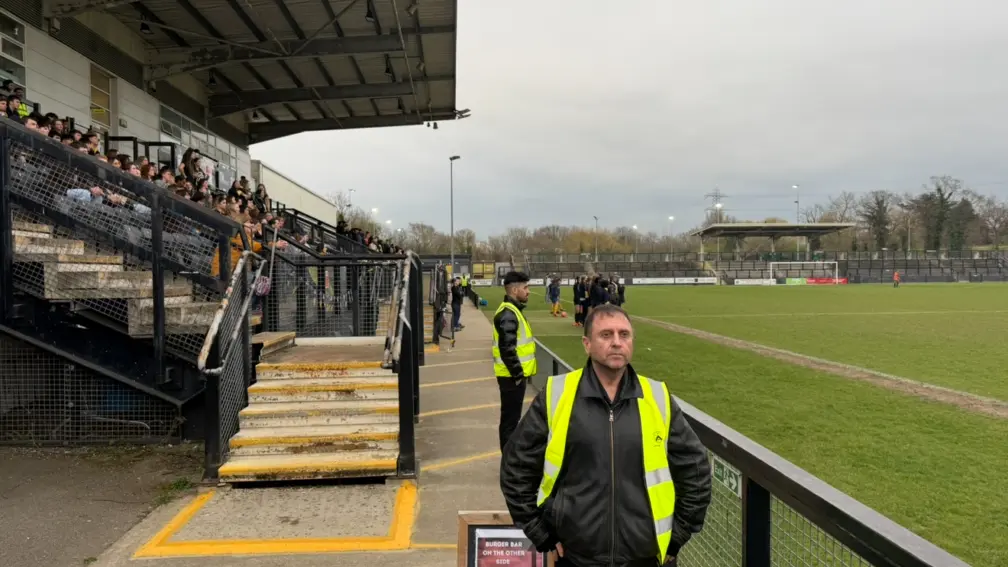
At high-stakes fixtures and cup finals, there are occasional cases of fans breaking onto the pitch, either from inside the stadium or from outside. Pitchside security is essential in these situations - players and officials are high-value assets, and any injury caused by a pitch invader could lead to serious financial consequences. In addition to the immediate safety risks, pitch invaders typically face lifetime bans, underscoring the seriousness with which clubs treat these breaches. Professional security teams work proactively to prevent such incidents, using barriers, trained personnel, and real-time monitoring to keep the match running safely.
The Importance of Planning
Comprehensive planning and preparation can make or break a successful sports event. For football matches, organisers focus on several key areas to ensure safety and smooth operations:
Comprehensive risk assessments
Crowd flow modelling and site mapping
Clear entry and exit strategies
- Contingency plans for:
Extra time or penalties
Fixture delays
Severe weather
High-risk rivalries (close proximity teams such as Liverpool vs Everton, Manchester United vs Manchester City)
Organisers also coordinate closely with police, medical teams, local authorities, stadium management, and governing bodies such as the Football Association. This collaboration ensures detailed briefings, escalation protocols, and clearly defined chains of command - all of which are essential to delivering a safe and well-managed match experience.
The Role of Security and Event Crew at Football Matches
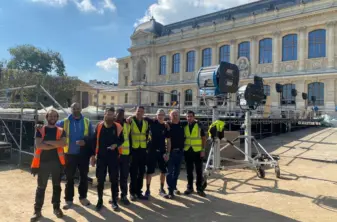
Crowd management at football matches relies on a coordinated team of event crew and security personnel, each with distinct but complementary responsibilities.
Event crew
Event crew are typically responsible for:
Installing and maintaining barriers and temporary infrastructure
Supporting controlled queuing systems
Managing back-of-house areas
Assisting with transport logistics
Ensuring safe build-up and breakdown phases
Security Guards
Professional security teams are proactive and preventative. Their responsibilities can include:
Access control and ticket verification support
Bag searches and prohibited item screening
Monitoring crowd behaviour
Identifying and responding to potential disorder
Conflict de-escalation
Protecting players, officials, and VIP areas
Monitoring entry and exit points
Managing section capacities
Directing spectators to reduce congestion
Intervening early to prevent crowd build-up risks
When event crew and security work together, they ensure a safe and well-organised environment that allows fans to enjoy the match while risks are actively managed behind the scenes.
Professional Safety Management Protects Everyone
Football matches combine scale, emotion, and unpredictability. Effective safety relies on strategic planning, trained licensed personnel, clear communication and integrated team operations. A robust safety management system ensures the protection of spectators, players, officials, stadium staff, and the club's reputation.
Planning a football fixture or large-scale sporting event? Ensure every aspect of your matchday operation is professionally managed with experienced security and event crew. Get in touch to discuss your staffing requirements today.