The Complete Event Logistics Checklist: Everything Needed Before Doors Open
A good event looks effortless from the outside. Getting there means confirming dozens of small details in the hours before doors open, from access points to briefings to final equipment checks, so that nothing is left to chance once guests start arriving. This checklist covers everything that needs to be in place before doors open, broken down by area so nothing gets missed.
Venue and access
- Load-in and load-out times confirmed with the venue in writing
- Access points identified for crew, suppliers, and guests, and each one clearly signed
- Parking and loading zones booked and communicated to all suppliers
- Any permits or licences (alcohol, noise, road closures) confirmed as approved
- Venue capacity limits confirmed and shared with everyone managing the door
- Keys, fobs, or access codes distributed to the right people, with a backup plan if someone loses theirs
Crew and staffing
- Final headcount confirmed against the rota, with contingency cover named
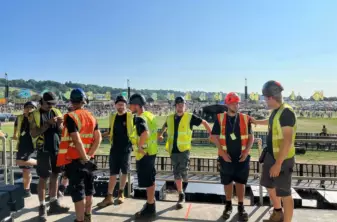
- All crew briefed on the day's schedule, their specific role, and who they report to
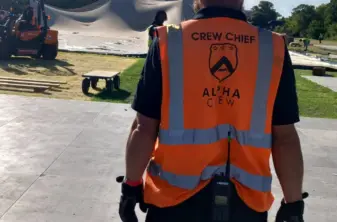
- Uniform, ID badges, and any required PPE distributed and checked before doors
- Break schedules set so cover is never left thin during peak hours
- A single point of contact named for each area (front of house, backstage, technical) so issues get resolved without guesswork
Equipment and technical
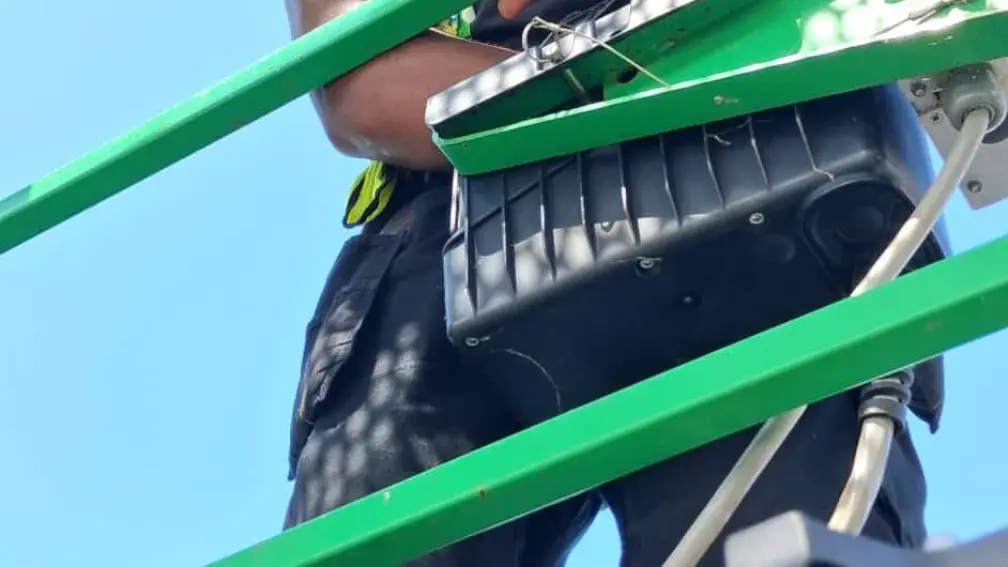
- AV and sound installed, checked and signed off
- Power confirmed at every point it's needed, with backup generators or spare cabling on site if there's any risk of failure
- Signage installed and checked from a guest's eye line,
- Barriers and crowd control equipment positioned and checked against the capacity plan
- Wifi or connectivity tested if ticketing, payments, or comms depend on it
Safety and compliance
- Fire exits checked, unlocked, and unobstructed
- First aid provision confirmed on site, with location communicated to all staff
- Security briefed on capacity limits, prohibited items, and escalation procedures
- Risk assessment reviewed again on the day
- Emergency contact list printed and held by every team lead
Guest experience
- Registration or ticketing system tested end to end, including how it handles lost tickets, name changes, and late transfers
- Cloakroom and storage confirmed and staffed
- Accessibility provisions in place and checked, including step-free access and any adjustments requested in advance
- Signage and wayfinding checked from the guest entrance, working backwards
- Welcome briefing given to front-of-house staff so the first interaction a guest has is a confident one
Final walkthrough
A walkthrough isn't a formality. It's the last chance to catch anything that has been missed.
- One person walks the full guest journey, from arrival to their seat or first activity
- Every checklist item above is confirmed complete
- Any last minute issues are logged and assigned to a specific person to fix, with a deadline before doors
- A final go/no-go decision is made and communicated to the whole team
Common mistakes, even with experienced organisers
- Confirming capacity limits with security but not with the door team taking tickets, so the two don't match on the day
- Testing equipment when it's installed, not again closer to doors when conditions have changed
- Briefing crew on their role but not on who to go to when something goes wrong
- Treating the walkthrough as a formality rather than the last real check before guests arrive
Getting this right, every time
The teams that get this stage right aren't the ones with the longest checklists. They're the ones who treat this list as a live document, checked and re-checked right up until doors open, with clear ownership for every item on it. That's often the difference between a smooth open and a scramble in the first ten minutes.
Planning an event and need crew to help deliver it? Get in touch with Alpha Crew.