NYC Event Producer Chelsea Connestro: “It’s Not Party Planning”
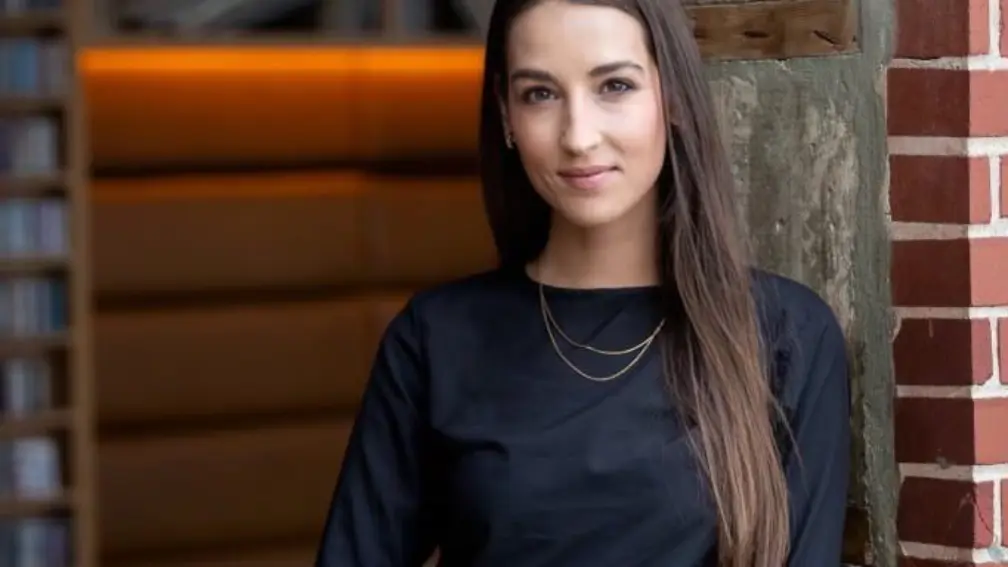
Chelsea Connestro has worked across hospitality, PR, venues and tech, and today produces events around the world for a New York agency. Alongside her production work, she builds products and resources to help other producers work more efficiently. We spoke to her about what really goes into a great event, the detail she never lets slide, and where the NYC events industry is heading next.
How did you get started in the events industry?
“Events have been a thread throughout my career. My first jobs were in restaurants and hospitality, which gave me an early foundation in taking care of people and thinking on my feet. I studied fashion merchandising and communications, and my school had a programme that let us volunteer at galas, fashion shows and other events across the D.C. area. I was heavily involved, and eventually geared my coursework towards special events.
After graduation, I moved back to New York and started as a lifestyle publicist, where events were part of the work. From there, I went in-house at a private members’ club, eventually leading its events programme in New York and Los Angeles. Working on the venue side meant collaborating closely with outside producers and learning how to bring different creative visions into the same space. When COVID hit, I helped build a PR software company. I spent about two and a half years there before returning to events, this time in agency production. Since then, I’ve worked at a couple of New York agencies and spent several years freelancing. Today, I’m full-time with an agency I love. Having worked across hospitality, PR, venues and technology, I’m always thinking about how we can make the work behind what we do run more smoothly.”
What’s one thing about your side of the industry people outside it don’t realise?
“It’s not party planning. Our hands are in every detail of what you see, feel, hear and experience. Every touchpoint was born from an email thread, Slack message, Google Meet or team discussion. We’re translating a creative vision into something that physically works, coordinating teams and dozens of staff, managing logistics, and anticipating how every decision affects everything else. The work can be gruelling. There are days when the hours never feel like enough. Somehow, we always pull it off. What I love about producers is our dedication to getting things across the finish line. There’s so much care, persistence and problem-solving behind the scenes, all so that when the doors open, the experience feels effortless. Guests may never see the complexity, but they feel the difference when it’s handled well.”
What separates a good event from a great one?
“It’s cliché, but it’s all in the details. Knowing when to be thoughtful, when to show restraint, and where something deserves extra attention. It’s anticipation and preparation at the highest level. Working through the ‘if this, then what?’ scenarios, even when the likelihood feels small, so you can respond without any disruption. Then there’s the synergy within a team. That shared instinct, trust and understanding of what you’re working towards can’t be manufactured. When you have it, you can feel it in how the whole event comes together.”
Is there a detail most people overlook that you always insist on getting right?
“I’m a communications fanatic. If a guest has to ask a logistical question, my instinct is to think about how we could have answered it before they needed to. This year I built a system for guest communications, from the event landing page through to text reminders on site. Every touchpoint has a purpose: helping guests understand what to expect, where to go and what’s coming next. I work with a lot of busy CEOs and executives who attend conferences regularly. They may have all the materials in their inbox, but they might not open them until the day before, if at all. We need to design around that. A timely text with their shuttle departure, where they need to be, or a quick look ahead at the day takes so much uncertainty out of the experience. Guests arrive prepared and at ease, with more energy to connect with the people around them. To me, that level of communication should be standard for events today.”
What do you look for in a partner or supplier that most people don’t think to ask about?
“Adaptability. How willing and able are you to work through the challenges we’re inevitably going to face? I make a real distinction between a supplier and a partner. A partner understands the industry, cares about the client’s experience and takes ownership of finding a solution. Above all, I look for problem-solvers. We get some extraordinary requests, and the easiest route isn’t always the one that delivers the best experience. You learn a lot about someone when the original plan stops working. I want partners who are honest about what’s possible, bring alternatives and stay invested in getting us across the finish line. That’s what builds my trust.”
Where is the NYC events industry headed over the next few years?
“I think New York’s events industry is heading into a period of real evolution, both in the programmes we produce and how we produce them. AI has been a major focus of the conferences we’re bringing people together for, and the technology is starting to change the work behind the scenes too. There’s an opportunity to move beyond some of the outdated processes our industry has relied on for years. So much time still goes into digging for information, chasing answers and endless back-and-forth. As that improves, producers will have more time to spend with clients, develop ideas and give the experience itself more attention. The judgement, relationships and on-site instincts that production requires will remain essential. My hope is that we’ll be better supported by the systems around us, giving us more room to do exceptional work. That’s what makes this such an exciting time to be producing events in New York.”
Want to follow Chelsea's work or get in touch? Connect with her on LinkedIn.